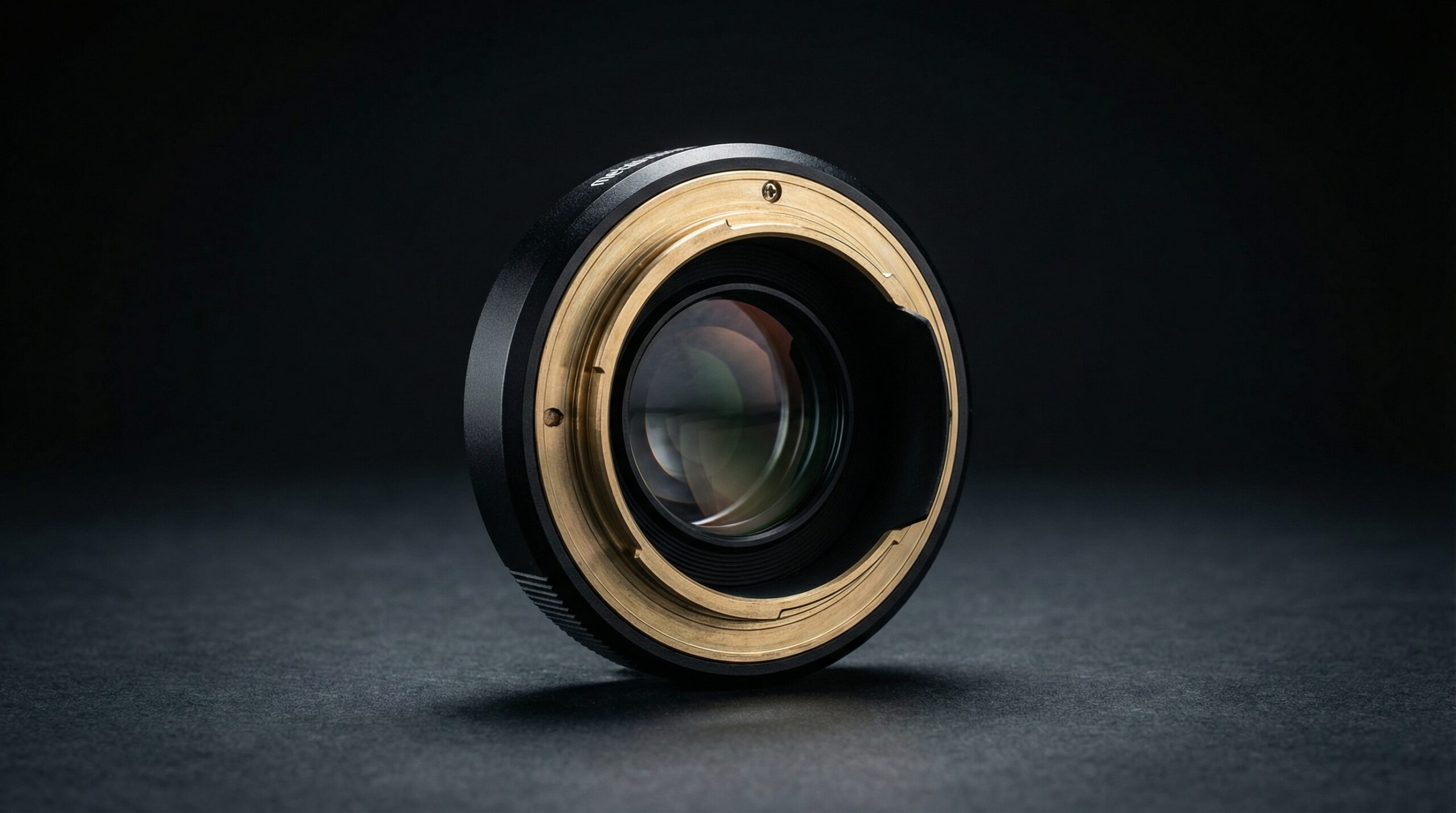

Every filmmaker has a gear graveyard. That drawer (or, in my case, a Pelican case that I refuse to open) full of things I bought with great enthusiasm and abandoned within months. Expensive mistakes. Shiny things that solved problems I didn’t have. “Future-proof” purchases that became obsolete before I finished paying them off.
I’ve been making films professionally for seven years now. In that time, I’ve wasted roughly $4,000 on gear mistakes. That’s a good lens. That’s a drone. That’s a month’s rent. I want to share five of my biggest blunders so you can learn from my expensive education.
Mistake #1: Buying a $200 Tripod (Three Times)
This is the one that hurts the most because I made it repeatedly. My first tripod was a $60 Amazon special. It broke at a wedding. My second was a $120 “upgrade.” The pan was so jerky it looked like the cameraman was having a seizure. My third was a $200 video tripod from a brand I can’t even remember — it was smooth for about three months, then the fluid head started drifting.
Total spent on bad tripods: $380. A Sachtler Ace costs $330 and will outlast every tripod I’ve ever owned combined. I could have saved money by buying right the first time.
Matti Haapoja expressed this perfectly in his “gear I regret buying” video:
“Buy once, cry once. The cheap tripod costs you three times — once to buy it, once when it breaks, and once when you buy the good one you should have gotten first. I’ve been through four tripods. The Sachtler has been rock-solid for three years.”
— Matti Haapoja, Filmmaker & YouTuber
Mistake #2: The Cage That Didn’t Fit
In 2023, I bought a camera cage based on a YouTube recommendation. The problem? The reviewer was using a different camera body than I was. The cage was designed for the Sony A7 IV, and I had just switched to the FX3. “It’s basically the same body,” I told myself.
It was not basically the same body. The cage blocked the FX3’s top handle mounting point, covered one of the ventilation grilles (causing overheating during 4K 120fps recording), and the HDMI port cutout was 2mm too small. I spent three hours with a Dremel trying to make it work before accepting defeat.
Lesson learned: Always buy a cage designed specifically for your camera model. The SmallRig FX3 cage fits perfectly because it was literally designed with CAD models of the FX3 body. Generic “universal” cages are a false economy.
Mistake #3: Spending $1,200 on a Lens I Used Twice
I bought a Zeiss Batis 85mm f/1.8 because I read that it was the “ultimate portrait lens.” And technically, it is. The rendering is gorgeous. The build quality is exceptional. The autofocus is smooth and silent.
The problem? I’m a documentary filmmaker. I don’t shoot portraits. I used the 85mm exactly twice — once for a test and once for a personal project — before realizing that I live at 24-70mm. A Sigma 35mm f/1.4 Art at $699 would have been a better investment by every measure.
Parker Walbeck talks about this trap constantly:
“Buy lenses for the work you actually do, not the work you fantasize about doing. If 90% of your projects are at 24-70mm, own the best 24-70mm you can afford. The specialty lens can wait until you have a specific, paid project that requires it.”
— Parker Walbeck, Full Time Filmmaker
Mistake #4: Ignoring Audio Until It Was Too Late
For my first two years of filmmaking, I used the camera’s built-in microphone. I know. I know. Looking back, it’s genuinely embarrassing. My footage looked great, and the audio sounded like it was recorded inside a washing machine.
The irony is that a Rode Wireless GO II — which would have transformed my audio from the very first day — costs just $299. I was spending $4,000 on camera bodies and $0 on audio. The math makes no sense, but it’s a mistake I see beginners make constantly.
My current audio kit cost about $700 total (DJI Mic 3 + Zoom F3 + Rode NTG5), and it’s the best investment I’ve ever made. Audio quality improvements are perceived by audiences 10x more than video quality improvements. That’s not an opinion — it’s backed by research from the University of Southern California’s film department.
Mistake #5: Upgrading Cameras Instead of Skills
This is the meta-mistake that contains all other mistakes. In 2022, I upgraded from a Sony A7 III to an A7 IV because I thought the newer camera would make my work better. My work didn’t get better. The images were technically improved — more dynamic range, better autofocus — but my compositions were the same. My lighting was the same. My stories were the same.
Then I took a $300 online lighting course. My work improved more in four weeks of studying light than in four months of shooting on a newer camera body. The camera was never the bottleneck. I was.
If I could go back and tell 2022 me one thing, it would be: Spend 80% of your budget on skills and 20% on gear. Not the other way around.
What I’d Tell a Beginner
If you’re just starting out, here’s how I’d spend $3,000 today — knowing everything I know now:
| Item | Cost | Why |
|---|---|---|
| Sony FX30 or Panasonic S5 IIX | $1,800-2,000 | Reliable, professional results |
| Sigma 18-50mm f/2.8 or 28-70mm | $500-900 | One lens that covers everything |
| DJI Mic 3 or Rode Wireless GO II | $250-350 | Good audio from day one |
| SmallRig cage + top handle | $110 | Protection + ergonomics |
| Online lighting course | $200-300 | The best ROI in filmmaking |
That’s it. No drone. No gimbal. No external monitor. No specialty lenses. Not yet. Master the fundamentals with the basics, then add gear as your skills and projects demand it.
The best gear is the gear you actually use. Everything else is an expensive dust collector.
Disclosure: This article contains affiliate links. As an Amazon Associate, Film Gear Review earns from qualifying purchases. Our editorial opinions are always our own.


As an Amazon Associate we earn from qualifying purchases.

Mehedi Rahman is a freelance multimedia producer and impact filmmaker with 12+ years of experience. He has shot documentary and humanitarian work across Yemen, Bangladesh, and South Asia for the World Food Programme and international media. Based in Sri Lanka, he specialises in visual storytelling that moves people — and gear that makes it possible.
2 responses to “5 Filmmaking Gear Mistakes I Made (So You Don’t Have To)”
This hit way too close to home! I have a whole drawer of cheap ND filters and tiny LED lights I use exactly zero times a year. Buy once, cry once!
That point about investing in skills over gear is so crucial. A $200 lighting course did more for my films than a $2,000 camera upgrade ever did.