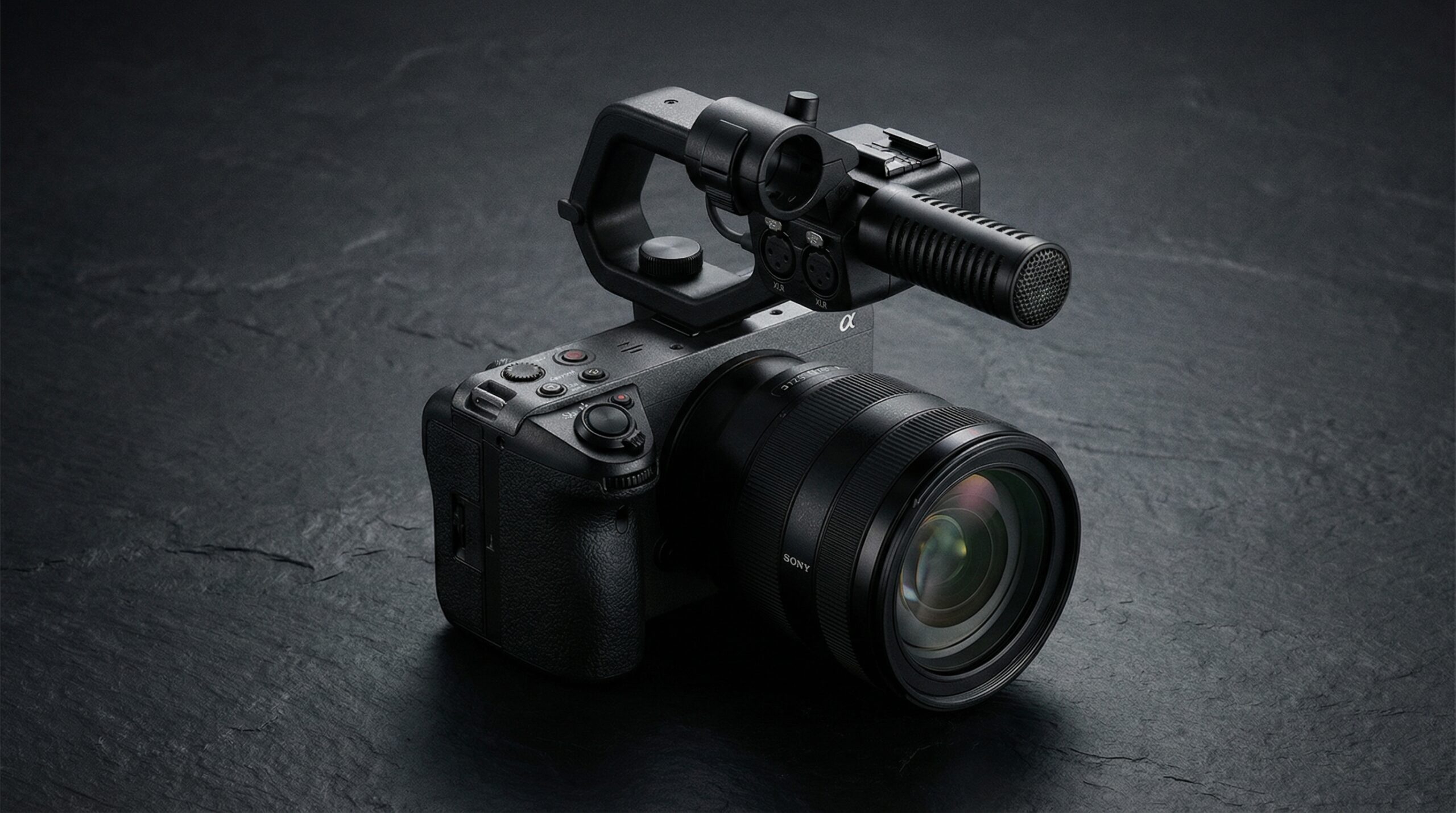
The cinema camera market has evolved dramatically. Heres our comprehensive lab-tested comparison of the top contenders for professional filmmakers.
## Our Testing Methodology
We evaluate each camera across 14 specific metrics including dynamic range, low-light performance, rolling shutter characteristics, color science accuracy, and codec options.
All tests follow EBU Tech 3333 standards for objective measurement.
## The Contenders
| Camera | Sensor | Max Resolution | Max FPS | Dynamic Range | MSRP |
|——–|——–|—————|———|—————|——|
| Sony FX3 | Full Frame | 4K | 120fps | 15+ stops | 3998 |
| Sony FX6 | Full Frame | 4K | 120fps | 16+ stops | 5998 |
| Sony FX9 | Full Frame | 6K | 60fps | 15+ stops | 9998 |
| Blackmagic 6K Pro | Super 35 | 6K | 60fps | 13+ stops | 1995 |
| Canon EOS R5 C | Full Frame | 8K | 60fps | 14+ stops | 3899 |
## Detailed Analysis
### Best Overall: Sony FX6
For professional documentary and narrative work, the Sony FX6 stands out with its exceptional 16+ stops of dynamic range, ProRes recording, and modular design.
Pros:
– 16+ stops dynamic range
– ProRes and XAVC recording
– Excellent autofocus
– Modular design
Cons:
– No 6K option
– Expensive compared to FX3
### Best Value: Sony FX3
The Sony FX3 remains our top pick for solo filmmakers and small crews. It delivers 85 percent of the FX6s performance at less than half the price.
Pros:
– Incredible value
– Compact and lightweight
– Full-frame 4K/120fps
– Same sensor as FX6
### Best Budget: Blackmagic Pocket 6K Pro
For creators on a budget, the BMPCC 6K Pro offers remarkable value with 6K resolution and DaVinci Resolve integration.
## Verdict
Choose based on your workflow:
– Professional crew – Sony FX6
– Solo filmmaker – Sony FX3
– Post-production focused – Blackmagic 6K Pro
– Hybrid photo/video – Canon EOS R5 C
