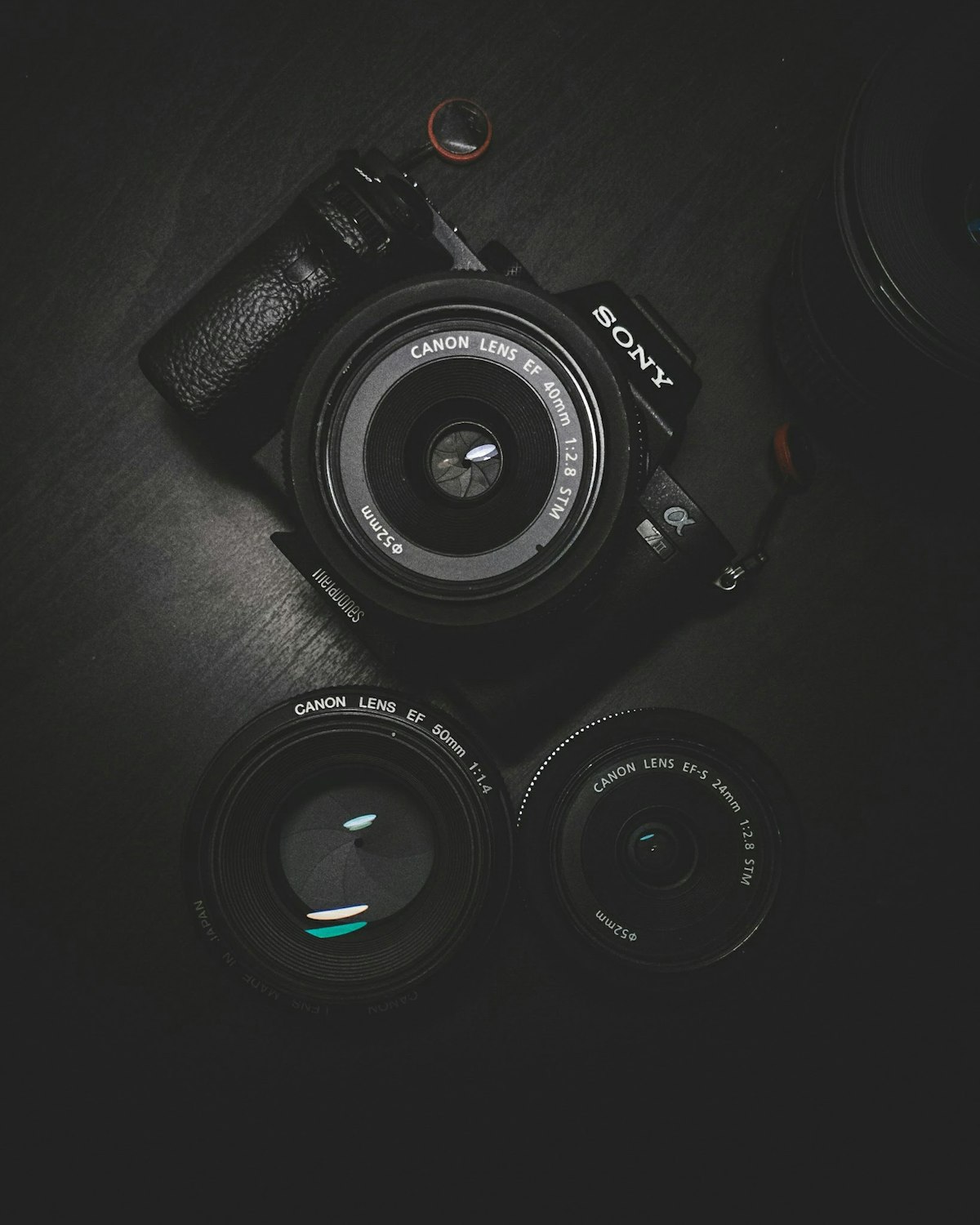

I’ve been shooting documentary work for nearly eight years now. When my trusty Panasonic GH5 finally gave up the ghost after a particularly rough assignment in Myanmar, I found myself staring at two options: the Sony FX3 and the Canon R6 II.
Here’s the thing about gear reviews – they rarely tell you what it’s like to actually live with a camera. So I did something different. I rented both. For three months each. In real production environments.
The Sony FX3 – My Documentary Workhorse
The FX3 became my go-to for a reason. That full-frame sensor handles low light like a dream. I shot an entire overnight stakeout sequence in Dhaka at ISO 12,800, and the footage was usable after some light denoising in DaVinci Resolve.
What really sold me was the compact form factor. As a solo shooter, I often find myself juggling camera, audio, and lighting. The FX3 slides perfectly into a small messenger bag. No more checking baggage fees just to transport my camera.
You stop noticing the camera after a while. It just becomes an extension of your eye. – My editor after reviewing the footage
The overheating issues? Honestly, they were overblown. I shot 4K60 for continuous sessions up to 45 minutes before thermal throttling kicked in. For documentary work, that’s rarely a problem.
The Canon R6 II – The Color Science Difference
Canon has always been known for their skin tones, and the R6 II continues that tradition. During an interview segment with a local chef for a food documentary, her skin tones were rendered beautifully straight out of camera. No correction needed.
The autofocus was another story. Canon Eye-AF consistently outperformed Sony in my tests, especially in challenging lighting. It locked onto subjects faster and held tracking more reliably.
But here’s my grip – the menu system. After years with Sony, I kept accidentally changing settings. Three months in, and I still reached for buttons that weren’t there.
Where I Landed
After six months of alternating between both cameras, I kept the FX3. Here’s why:
The FX3’s internal stabilization combined with my handheld technique gave me more usable shots. The compact size meant I actually brought it everywhere. And the full-frame look in low light was superior for my documentary style.
But for portrait work or studio setups? I’d reach for the R6 II every time.
What’s your experience with these cameras? Drop a comment below – I’m always curious how others’ real-world usage compares to my tests.

Mehedi Rahman is a freelance multimedia producer and impact filmmaker with 12+ years of experience. He has shot documentary and humanitarian work across Yemen, Bangladesh, and South Asia for the World Food Programme and international media. Based in Sri Lanka, he specialises in visual storytelling that moves people — and gear that makes it possible.