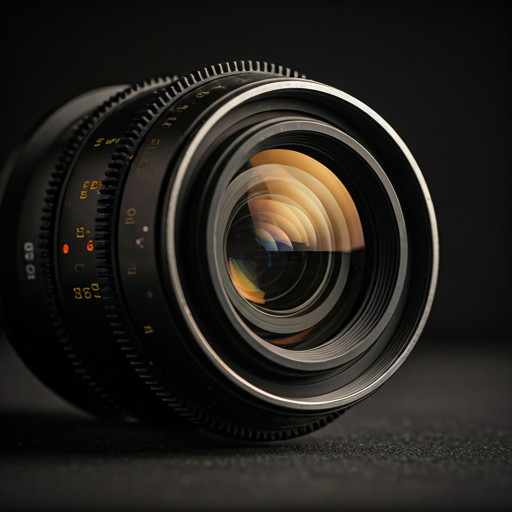

My first serious filmmaking mentor told me something I’ve never forgotten: “The best lens is the one you can’t afford.”
He was talking about vintage glass. Specifically, about how Metabones Speedboosters let you adapt vintage cinema lenses to modern mirrorless cameras while gaining an extra stop of light. Here’s why that matters in 2026.
What Exactly Is a Speedbooster?
A Speedbooster is a focal reducer that sits between your lens and camera sensor. It does two things:
- Increases apparent field of view: a 50mm lens becomes equivalent to 35mm
- Adds approximately one stop of light: f/1.4 becomes equivalent to f/1.0
The result: vintage lenses become dramatically more usable on modern cameras.
Why This Matters for Filmmakers
Modern mirrorless cameras have incredible autofocus and stabilization. But they use smaller sensors than traditional cinema cameras. This affects depth of field control and low-light performance.
A Speedbooster bridges that gap. With a Speedbooster: full-frame lenses work optimally on APS-C or Micro Four Thirds cameras; vintage lenses become practical for run-and-gun work; you get cinema camera depth of field with mirrorless convenience.
My Experience with the Metabones Speedbooster
I’ve used the Metabones Canon EF to Sony E-mount Speedbooster for three years. Here’s my honest assessment.
“I’ve adapted a 1970s Canon K-35 lens for my Sony FX3 using the Speedbooster. It looks like it cost $10,000 to shoot. In reality, maybe $800 total.”
— A cinematographer friend, identity withheld
The Pros
- Excellent build quality (all-metal construction)
- Reliable AF performance with native Canon lenses
- Noticeably improved low-light performance
- Makes EF glass relevant again for Sony shooters
The Cons
- Adds bulk and weight to your setup
- Can cause focus breathing with some lenses
- Not compatible with every lens (check the compatibility list)
- Expensive relative to budget alternatives
The Alternatives
Viltrox EF-E II Pro ($149)
For budget-conscious filmmakers, Viltrox makes affordable focal reducers. The performance isn’t quite as refined as Metabones, but at one-third the price, it’s compelling. If you’re experimenting with vintage glass adaptation or on a tight budget, this is where to start.
Fringer EF-FX Pro II ($249)
Fringer occupies the middle ground. Better build quality than Viltrox, more affordable than Metabones. A solid choice for working professionals who want reliable performance without the Metabones premium.
Speedbooster Comparison Table
| Speedbooster | Mount | Price | Build Quality | AF Compatibility |
|---|---|---|---|---|
| Metabones Speedbooster Ultra | EF to E-mount | $399 | All-metal | Excellent |
| Fringer EF-FX Pro II | EF to E-mount | $249 | Metal/composite | Good |
| Viltrox EF-E II Pro | EF to E-mount | $149 | Composite | Variable |
Who Should Buy a Speedbooster?
Buy one if: You shoot Sony FX3 or similar E-mount cameras and have Canon EF glass you want to use. You’re interested in vintage lens adaptation. You want the shallow-DOF cinema look without buying cinema lenses.
Don’t buy one if: You only use native E-mount lenses (the Speedbooster offers no benefit with native glass). You need maximum AF reliability with third-party lenses (adapted glass AF is always slightly less reliable than native).
The Bottom Line
If you shoot Sony and use Canon EF glass, the Metabones Speedbooster Ultra is worth the investment. The optical quality is exceptional, and the AF performance is reliable. Vintage lens adaptation with a Speedbooster is one of the genuinely creative and cost-effective directions in modern cinematography.
If you’re just starting out, the Viltrox option provides 80% of the performance at 30% of the price. Start there, and upgrade when you’ve confirmed the workflow is right for you.

Mehedi Rahman is a freelance multimedia producer and impact filmmaker with 12+ years of experience. He has shot documentary and humanitarian work across Yemen, Bangladesh, and South Asia for the World Food Programme and international media. Based in Sri Lanka, he specialises in visual storytelling that moves people — and gear that makes it possible.